

Understanding anxiety and stress is one of the most important steps you can take to protect your mental well-being. Many people experience racing thoughts, constant worry, muscle tension, or emotional exhaustion without fully knowing what is happening inside their minds and bodies. By understanding anxiety and stress, you gain clarity, awareness, and the power to respond in healthier ways instead of feeling overwhelmed.
In today’s fast-paced world, pressure has become normal. Deadlines, responsibilities, financial concerns, social expectations, and personal goals can all weigh heavily on us. While occasional stress is part of life, chronic anxiety and stress can slowly affect your mood, physical health, productivity, and relationships.
Let’s explore what they really mean and how you can manage them effectively.
What Is Anxiety?
Anxiety is your body’s natural alarm system. It is designed to protect you from danger. When your brain detects a threat, it activates the fight-or-flight response. Your heart rate increases, breathing becomes rapid, and muscles tense up to prepare you for action.
This response is helpful during real danger. However, anxiety becomes problematic when:
- The fear is constant
- The threat is imagined or exaggerated
- It interferes with daily life
- You struggle to relax even in safe situations
Understanding anxiety and stress helps you recognize that anxiety itself is not weakness. It is a protective system that sometimes becomes overactive.
What Is Stress?
Stress is your body’s reaction to external pressure. It usually arises from specific situations such as:
- Work deadlines
- Academic pressure
- Financial struggles
- Relationship conflicts
- Health concerns
Unlike anxiety, stress is typically linked to a clear cause. Once the stressful event passes, the tension often decreases. However, long-term stress can build up and eventually trigger ongoing anxiety.
Understanding anxiety and stress allows you to see how closely connected they are. Chronic stress can slowly reshape how your brain reacts to everyday situations.
The Key Differences Between Anxiety and Stress
Although they feel similar, they are not identical.
| Stress | Anxiety |
|---|---|
| Caused by external pressure | Often internally driven |
| Usually temporary | Can persist without clear cause |
| Linked to specific events | May feel constant or unpredictable |
Understanding anxiety and stress gives you the ability to identify which one you are experiencing, making it easier to choose the right coping strategy.
Common Symptoms of Anxiety and Stress
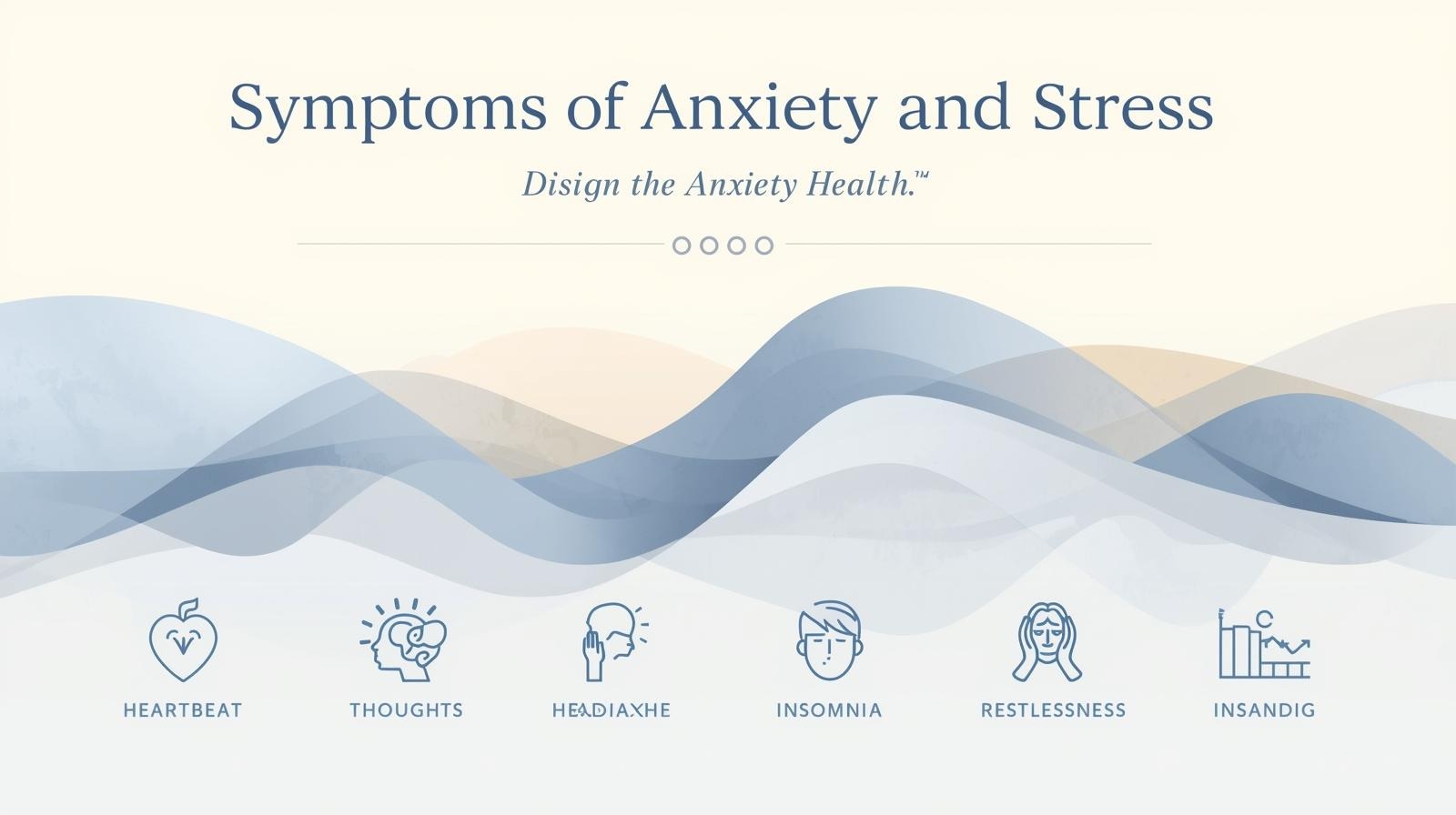
Your body and mind send signals when something is wrong. Recognizing these signs early can prevent long-term effects.
Emotional Symptoms
- Persistent worry
- Irritability
- Feeling overwhelmed
- Restlessness
- Difficulty concentrating
Physical Symptoms
- Headaches
- Muscle tension
- Rapid heartbeat
- Digestive problems
- Sleep disturbances
Behavioral Symptoms
- Avoiding responsibilities
- Overthinking situations
- Procrastination
- Withdrawing from loved ones
Understanding anxiety and stress means paying attention to these warning signs instead of ignoring them.
Why Anxiety and Stress Feel So Intense
Your brain cannot always distinguish between real danger and imagined threats. When you repeatedly think about worst-case scenarios, your body reacts as if they are happening in real time.
Stress hormones like cortisol and adrenaline increase, keeping you in a constant state of alertness. Over time, this drains your energy and affects both mental and physical health.
Understanding anxiety and stress helps you realize that many reactions are automatic — but they can be retrained with practice.
The Long-Term Impact of Anxiety and Stress on Mental and Physical Health
If left unmanaged, anxiety and stress can contribute to:
- Burnout
- Depression
- High blood pressure
- Weakened immune system
- Relationship strain
- Reduced productivity
Chronic tension does not just stay in the mind — it affects the entire body. This is why understanding anxiety and stress is essential for long-term wellness.
Healthy Coping Strategies for Anxiety and Stress
Managing anxiety and stress does not mean eliminating them completely. It means learning how to regulate your response.
1. Practice Deep Breathing for anxiety and stress
Slow breathing tells your nervous system that you are safe.
Try this method:
- Inhale for 4 seconds
- Hold for 4 seconds
- Exhale for 6 seconds
Repeat for a few minutes to calm your body.
2. Stay Physically Active
Exercise reduces stress hormones and releases endorphins that improve mood. Even a 20-minute walk can lower tension significantly.
3. Set Healthy Boundaries
Overcommitment often leads to chronic stress. Learn to say no when necessary. Protecting your time protects your mental health.
4. Challenge Negative Thoughts
Ask yourself:
- Is this thought based on facts or fear?
- What evidence supports it?
- What would I say to a friend in this situation?
Understanding anxiety and stress includes recognizing that not every thought deserves your trust.
5. Prioritize Sleep
Lack of sleep intensifies anxiety and stress. Aim for 7–9 hours of consistent rest to support emotional regulation.
6. Practice Mindfulness
Staying present reduces overthinking. Simple grounding techniques like noticing your surroundings or focusing on your senses can interrupt anxious spirals.
When to Seek Professional Help
Sometimes self-help strategies are not enough. Consider seeking professional support if:
- Anxiety interferes with work or relationships
- Panic attacks occur frequently
- You feel constantly overwhelmed
- Symptoms persist for months
There is strength in asking for help. Understanding anxiety and stress includes recognizing when outside support is necessary.
Building Emotional Resilience
Resilience is the ability to adapt to challenges without being consumed by them. It develops gradually through:
- Healthy daily routines
- Strong social support
- Positive coping skills
- Self-compassion
Understanding anxiety and stress empowers you to build resilience instead of feeling controlled by your emotions.
Final Thoughts
Understanding anxiety and stress is not about labeling yourself — it is about awareness and growth. These emotional responses are part of being human, but they do not have to define your life.
With the right tools, support, and daily habits, you can manage anxiety and stress in healthier ways. Small changes made consistently create long-term balance.
You are not weak for feeling overwhelmed. You are human. And with awareness and action, you can regain control and create a calmer, stronger version of yourself.