

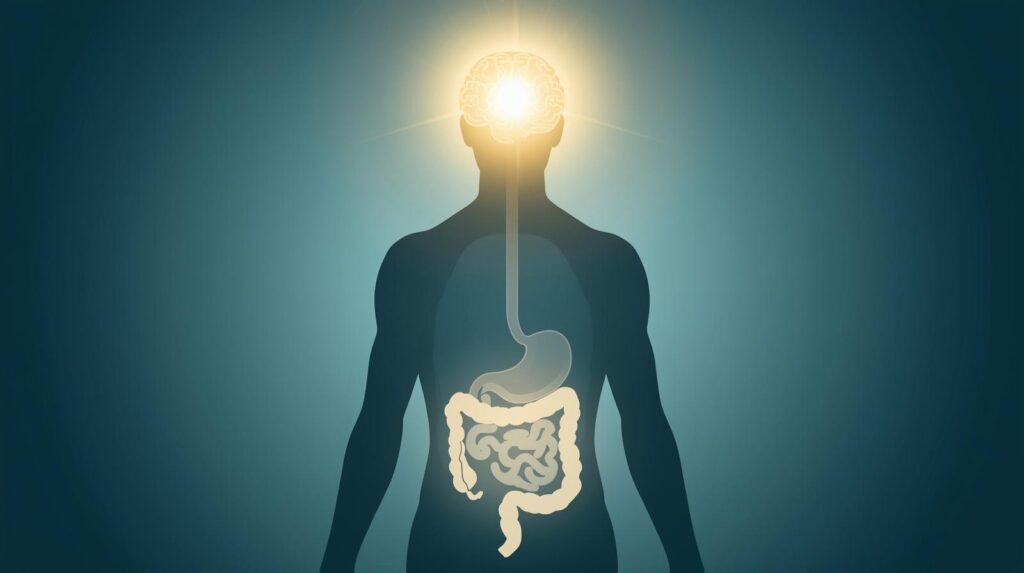
Gut Health and Mental Health: The Hidden Trigger
Gut Health and Mental Health are deeply connected in ways many people overlook. For years, emotional disorders were treated as problems of the brain alone. However, research now shows that the digestive system plays a powerful role in mood, anxiety, and psychological stability.
The Science Behind
The link between gut and mental health is explained through the gut-brain axis. This is a two-way communication system connecting your digestive system and your brain.
This connection works through:
- The vagus nerve
- Hormones
- The immune system
- Neurotransmitters
- The gut microbiome
Because of this communication, changes in your gut directly influence how your brain functions.
According to research from Harvard Medical School, the gut plays a significant role in producing and regulating neurotransmitters involved in mood balance.
https://www.health.harvard.edu/diseases-and-conditions/the-gut-brain-connection)
Serotonin and the Gut
Serotonin is often called the “feel-good” chemical. It helps regulate mood, sleep, and emotional stability.
Around 90% of serotonin is produced in the gut.
When gut bacteria are balanced, serotonin signaling functions more efficiently. However, when the microbiome becomes disrupted due to poor diet, stress, or antibiotics, mood regulation may suffer.
This explains why they cannot be treated as separate systems.
Inflammation and Emotional Stability
Another major factor is inflammation.
When the gut lining becomes irritated, it can trigger chronic low-grade inflammation. Over time, this inflammation may affect brain function.
Research available on PubMed continues to explore how inflammatory processes are linked to depression and anxiety symptoms.
Reducing inflammation through diet and lifestyle may therefore support emotional resilience.
How Diet Impacts Gut Health and Mental Health
Modern diets high in processed foods, sugar, and refined carbohydrates can:
- Disrupt beneficial bacteria
- Increase inflammation
- Cause blood sugar instability
- Affect hormonal balance
As a result, mood swings, fatigue, and anxiety may increase.
In contrast, diets rich in:
- Fiber
- Vegetables
- Fermented foods
- Healthy fats
- Omega-3 fatty acids
Support a healthier microbiome and more stable emotional patterns.
If you want a deeper breakdown of how food affects emotional well-being, you can read our detailed guide on how food impacts mental health.
From Plate to Peace: How Diet Changes Can Transform Mental Health this is my second book
Stress, the Gut, and the Mental Health Cycle
Stress affects digestion. At the same time, poor gut health increases sensitivity to stress.
This creates a cycle:
Stress disrupts gut balance
Gut imbalance affects mood
Mood instability increases stress.
Breaking this cycle requires addressing both mental habits and physical health together.
When we look at gut health and mental health as a connected system, treatment becomes more holistic and effective.
Signs Your Gut May Be Affecting Your Mental Health
Possible signs include:
- Digestive discomfort
- Bloating
- Brain fog
- Fatigue
- Sugar cravings
- Anxiety without a clear trigger
- Mood fluctuations
While mental illness is complex and influenced by many factors, gut imbalance may be one contributing piece of the puzzle.
How to Improve Naturally
Supporting gut health does not require extreme measures.
Start with:
- Prioritizing whole foods
- Reducing processed sugar
- Adding fiber gradually
- Including probiotic-rich foods
- Sleeping consistently
- Managing stress daily
Small, consistent habits create long-term change.
Final Thoughts
Understanding Gut and Mental Health helps us see that emotional health is not only about thoughts, but also about biology and lifestyle.
The connection between gut health and mental health is no longer theoretical. It is an expanding field in neuroscience and nutritional psychiatry.
Your gut produces key neurotransmitters.
>It regulates inflammation.
>It influences stress response.
>It affects mood stability.
When you nourish your gut, you support your brain.
Mental health is not only about thoughts. It is about biology, lifestyle, and daily choices.
And sometimes, the hidden trigger is not in your head — but in your gut.