

Signs of Poor Mental Health You Should Never Ignore
The early signs of poor mental health are often subtle and easy to dismiss. Many people assume stress, fatigue, or mood changes are temporary. However, when these symptoms persist, they may indicate deeper emotional or psychological challenges. Recognizing the early signs of poor mental health allows individuals to seek support before the condition becomes more serious.
Mental well-being affects how we think, feel, and interact with others. Paying attention to changes in behavior, emotions, and physical health is essential for long-term stability.
Emotional Warning Signs of poor mental health
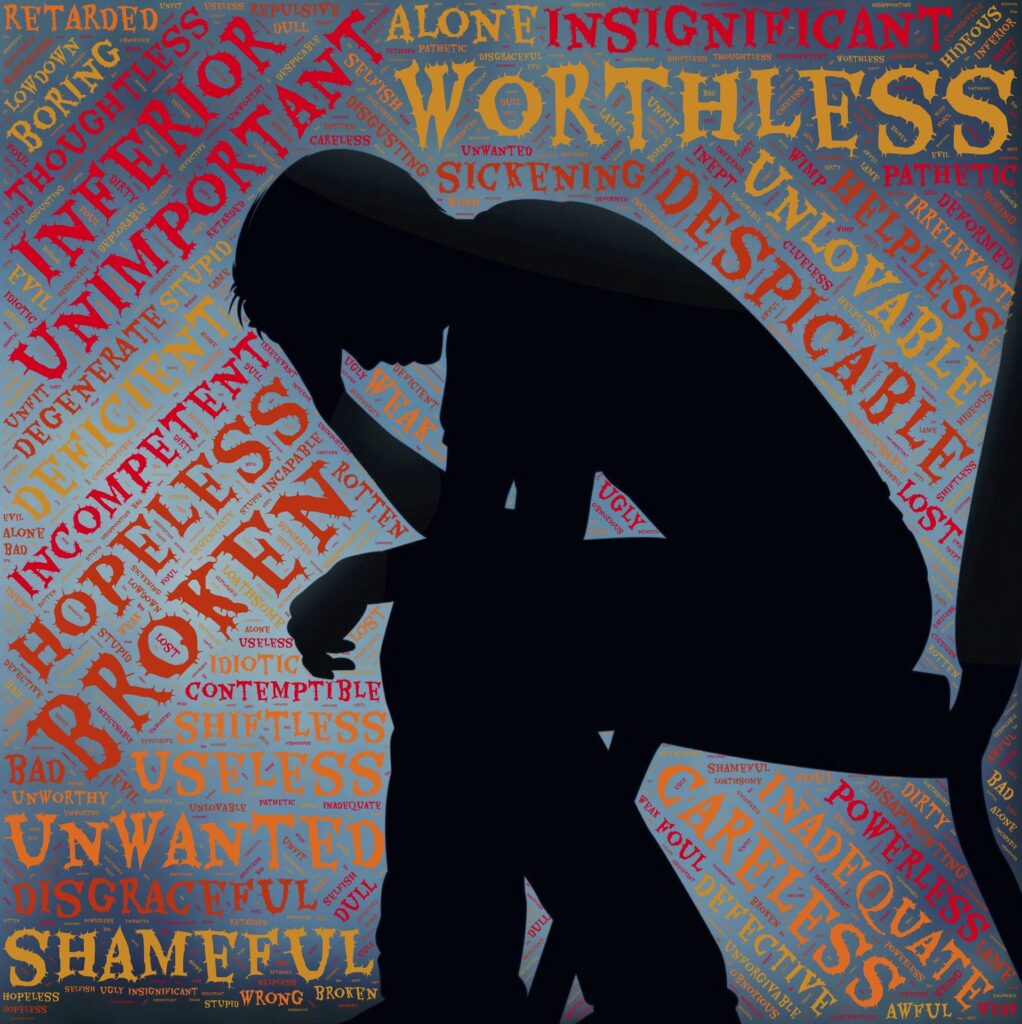
One of the first indicators of mental distress is a shift in emotional balance. While occasional sadness or anxiety is normal, persistent emotional changes may signal a deeper issue.
You may notice:
- Ongoing sadness or emptiness
- Increased irritability
- Feelings of hopelessness
- Constant worry or nervousness
If these emotions last more than two weeks or begin interfering with daily life, it may be time to seek guidance.
Behavioral Changes That Should Not Be Ignored
Behavior often reflects internal struggles. When someone begins acting differently without a clear reason, it could indicate emotional strain.
Common behavioral shifts include:
- Withdrawing from friends and family
- Losing interest in hobbies
- Avoiding responsibilities
- Increased reliance on alcohol or unhealthy coping habits
Such changes are important indicators that something may be affecting mental balance.
Physical Symptoms Linked to Emotional Stress
Mental health does not only affect the mind—it also impacts the body. Emotional distress frequently appears as physical discomfort.
Some common physical symptoms include:
- Sleep disturbances
- Constant fatigue
- Headaches
- Digestive issues
- Muscle tension
When medical tests show no clear explanation, stress or anxiety may be contributing factors.
Cognitive Difficulties and Mental Clarity
Another important indicator is difficulty with concentration and thinking clearly. Emotional strain can interfere with productivity and decision-making.
You might experience:
- Trouble focusing
- Forgetfulness
- Difficulty completing tasks
- Reduced motivation
These cognitive changes can impact work performance and personal responsibilities if left unaddressed.
Early Signs of Poor Mental Health in Adults

The early signs of poor mental health in adults often appear gradually. Work stress, relationship difficulties, financial pressure, or unresolved trauma can all contribute to emotional imbalance.
Adults may try to “push through” symptoms, believing they should handle everything independently. However, ignoring these warning signs may allow the condition to worsen. Early awareness provides the opportunity for intervention, support, and recovery.
When to Seek Professional Support
It is important to recognize when symptoms require professional attention. Consider seeking help if:
- Symptoms persist longer than two weeks
- Daily functioning becomes difficult
- Relationships begin to suffer
- You feel overwhelmed or unable to cope
Mental health professionals are trained to provide coping strategies, therapy techniques, and structured support tailored to individual needs.
Why These Warning Signs Are Often Overlooked
Many individuals ignore emotional warning signals due to stigma or fear of judgment. Others believe their symptoms are not “serious enough” to justify professional help. Unfortunately, untreated mental health concerns often become more severe over time.
Awareness and early action significantly improve long-term outcomes.
Practical Steps to Protect Your Mental Well-Being
If you recognize any of these symptoms, consider taking proactive steps:
- Maintain a consistent sleep routine
- Engage in regular physical activity
- Practice relaxation techniques
- Stay connected with supportive individuals
- Speak openly about your feelings
Small lifestyle adjustments can have a meaningful impact on emotional health.
Final Thoughts
Understanding the early signs of poor mental health empowers individuals to take control of their well-being. Emotional, behavioral, physical, and cognitive changes should never be ignored when they persist or interfere with daily life.
Mental health is an essential part of overall wellness. By recognizing warning signs early and seeking appropriate support, individuals can improve resilience, stability, and long-term quality of life.